
Faculty of Computing and Information Technology
Empowering Digital Innovation and Technological Excellence
The Faculty of Computing and Information Technology at the Higher Institute of Professional and Business Studies (HIPBS) is committed to developing highly skilled ICT professionals who are equipped to meet the demands of today’s rapidly evolving digital world.
Located in Bamenda, Cameroon, the faculty offers innovative, career-focused programmes that combine strong theoretical foundations with hands-on practical training. Students gain the knowledge and technical expertise needed to design, develop, secure, and manage modern information systems while preparing for rewarding careers in technology and innovation.
As digital transformation continues to reshape industries across the globe, HIPBS remains dedicated to producing graduates who are creative, analytical, and capable of solving real-world technological challenges.
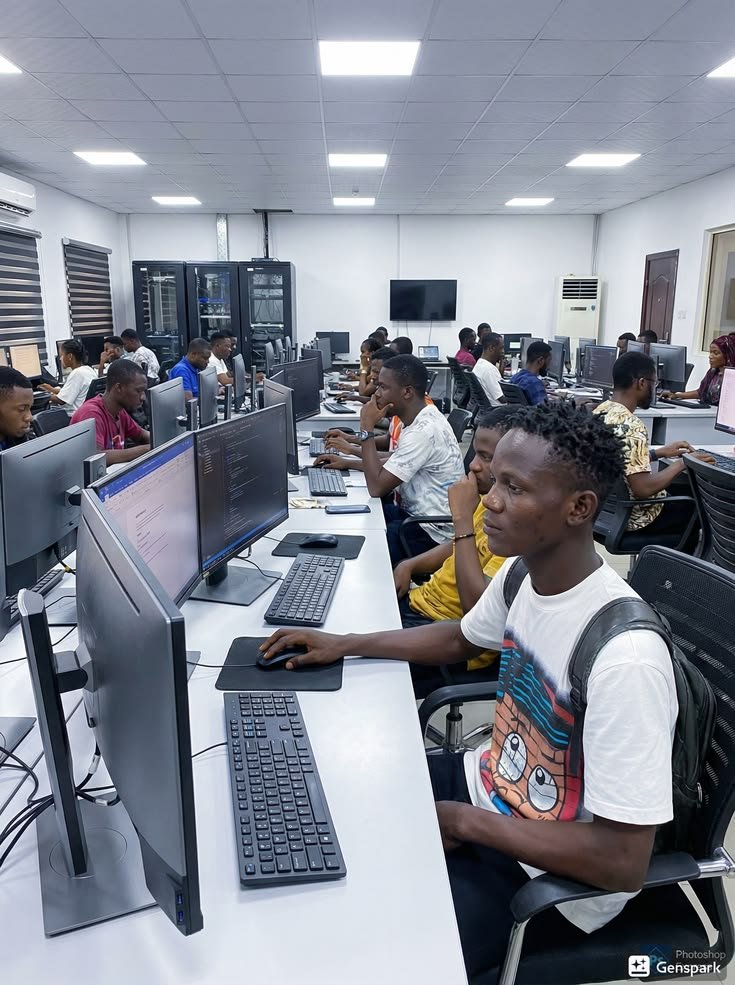
Why Study Computing and Information Technology at HIPBS?
Technology drives innovation across every sector of society. At HIPBS, our programmes are designed to prepare students for successful careers in software development, networking, cybersecurity, data management, cloud computing, and information systems.
Students benefit from:
- Industry-aligned academic programmes
- Experienced lecturers and ICT professionals
- Practical laboratory sessions
- Modern computer laboratories
- Hands-on programming and networking projects
- Internship and industrial attachment opportunities
- Research and innovation projects
- Small class sizes with personalised learning
- Career mentoring and professional development
- Entrepreneurship and technology innovation training
Departments and Programmes
The Faculty of Computing and Information Technology offers several specialised programmes that prepare students for careers in the rapidly growing technology sector.
Career Opportunities
Graduates may pursue careers as:
- Business Manager
- Administrative Officer
- Operations Manager
- Business Development Officer
- Office Administrator
- Business Consultant
- Entrepreneur
- Corporate Executive
- Customer Relations Manager
Department of Information Technology
Information Technology (IT)
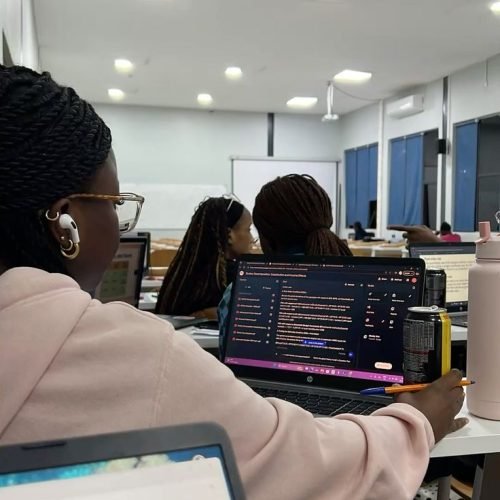
The Information Technology programme focuses on the practical application of technology in business, education, healthcare, government, and industry. Students develop the skills required to install, maintain, and manage computer systems and information infrastructures.
Areas of Study
- Computer Fundamentals
- Information Systems
- Computer Hardware
- Operating Systems
- Database Management
- Network Administration
- Web Technologies
- Systems Support
- Information Security
- Cloud Computing
Practical Skills You’ll Develop
- Computer system installation and maintenance
- Database administration
- Technical support
- IT infrastructure management
- Network configuration
- Web development
- Information system management
- Digital communication
Career Opportunities
Graduates may work as:
- Information Technology Officer
- Systems Administrator
- IT Support Specialist
- Database Administrator
- Computer Technician
- Network Support Officer
- Systems Support Engineer
- ICT Consultant
Department of Banking and Finance
Banking and Finance
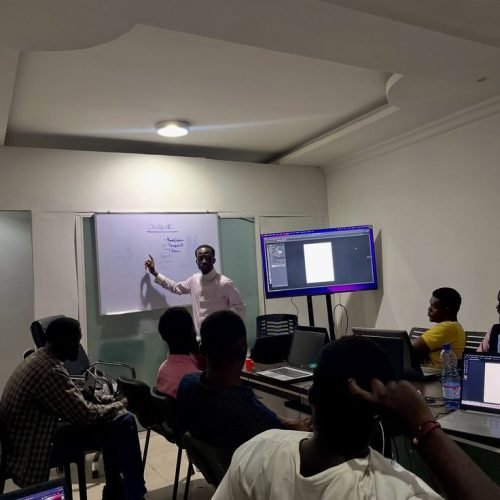
The Banking and Finance programme provides students with specialised knowledge of financial institutions, banking operations, investment management, financial markets, and corporate finance.
The programme prepares graduates for careers in commercial banks, microfinance institutions, insurance companies, investment firms, and financial organisations.
Areas of Study
- Banking Operations
- Investment Management
- Financial Markets
- Corporate Finance
- Credit Management
- Risk Management
- Insurance Principles
- International Finance
- Monetary Economics
Skills You Will Develop
- Financial planning
- Investment analysis
- Banking operations
- Credit assessment
- Risk management
- Customer relationship management
- Financial decision-making
Career Opportunities
Graduates may become:
- Bank Officer
- Credit Analyst
- Financial Consultant
- Investment Advisor
- Risk Analyst
- Treasury Officer
- Loan Officer
- Financial Services Officer
Department of Computer Science
Computer Science
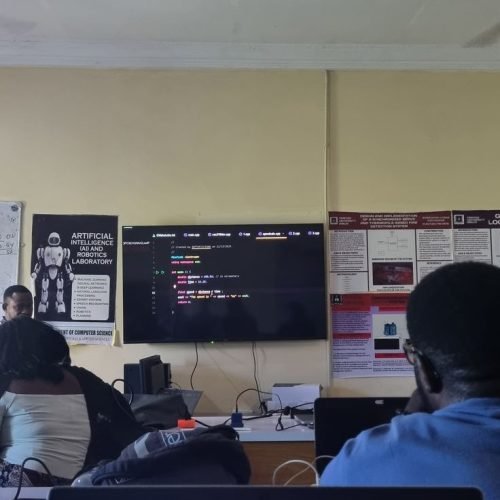
The Computer Science programme provides students with a strong foundation in computing theory, programming, algorithms, software design, artificial intelligence, and emerging technologies.
Students learn how to analyse complex problems and develop efficient software solutions using modern programming languages and technologies.
Areas of Study
- Programming Fundamentals
- Data Structures and Algorithms
- Database Systems
- Artificial Intelligence
- Operating Systems
- Software Development
- Computer Networks
- Machine Learning
- Data Analytics
- Human-Computer Interaction
Practical Skills You’ll Develop
- Software programming
- Algorithm design
- Problem-solving
- Database development
- System analysis
- Artificial intelligence applications
- Mobile application development
- Software testing
Career Opportunities
Graduates may become:
- Software Developer
- Computer Programmer
- Systems Analyst
- Data Analyst
- AI Developer
- Research Assistant
- Web Application Developer
- Software Consultant
Department of Software Engineering
Software Engineering
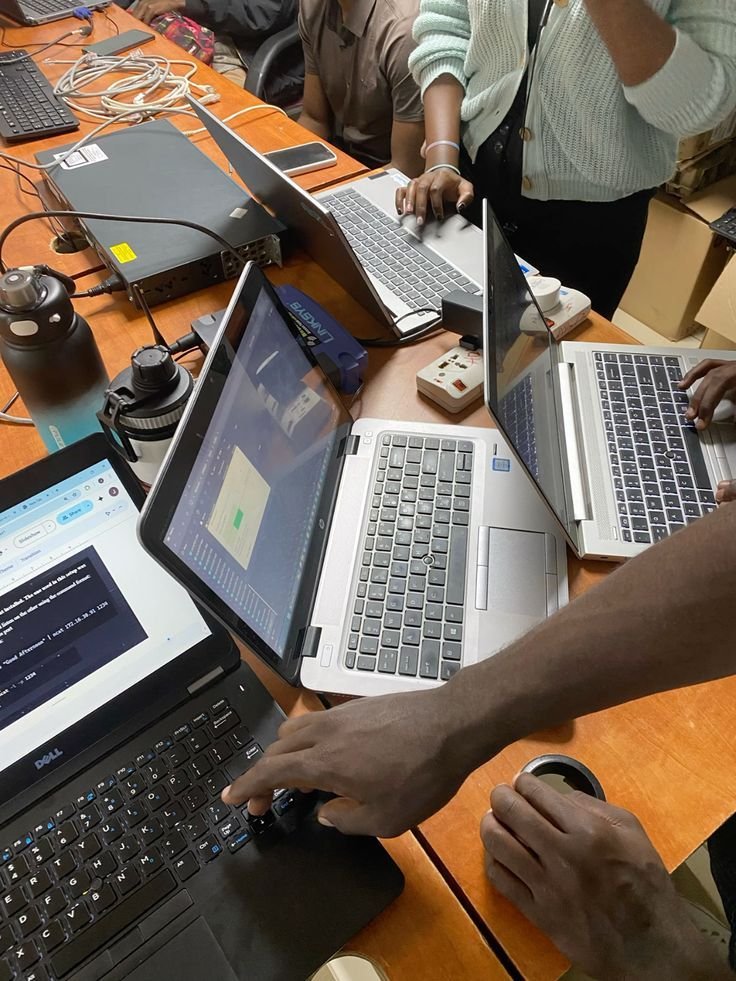
The Software Engineering programme prepares students to design, develop, test, and maintain high-quality software applications using industry-standard methodologies and technologies.
Students gain practical experience in software project management, system analysis, application development, and quality assurance.
Areas of Study
- Software Engineering Principles
- Software Design
- Systems Analysis
- Database Design
- Mobile Application Development
- Web Application Development
- Software Testing
- Project Management
- User Interface Design
- Agile Development
Practical Skills You’ll Develop
- Full-stack development
- Mobile application development
- Web application development
- Software architecture
- Project management
- Quality assurance
- Application testing
- Software maintenance
Career Opportunities
Graduates can work as:
- Software Engineer
- Full-Stack Developer
- Web Developer
- Mobile Application Developer
- Systems Designer
- Application Developer
- Software Tester
- Technical Consultant
Department of Cybersecurity and Networking
Cybersecurity and Networking
As cyber threats continue to increase globally, organisations require skilled professionals capable of protecting digital systems and networks.
This programme provides students with practical knowledge in network infrastructure, ethical hacking, digital security, cyber defence, and information assurance.
Areas of Study
- Computer Networking
- Network Security
- Ethical Hacking
- Cyber Defence
- Digital Forensics
- Cloud Security
- Information Security
- Linux Administration
- Firewall Configuration
- Risk Management
Practical Skills You’ll Develop
- Network installation and configuration
- Cybersecurity risk assessment
- Ethical penetration testing
- Security auditing
- Firewall management
- Incident response
- Digital investigation
- Information security management
Career Opportunities
Graduates may pursue careers as:
- Cybersecurity Analyst
- Information Security Officer
- Network Administrator
- Network Engineer
- Security Consultant
- Cybersecurity Specialist
- Ethical Hacker
- Systems Security Administrator
Practical Learning Experience
Practical Learning Experience
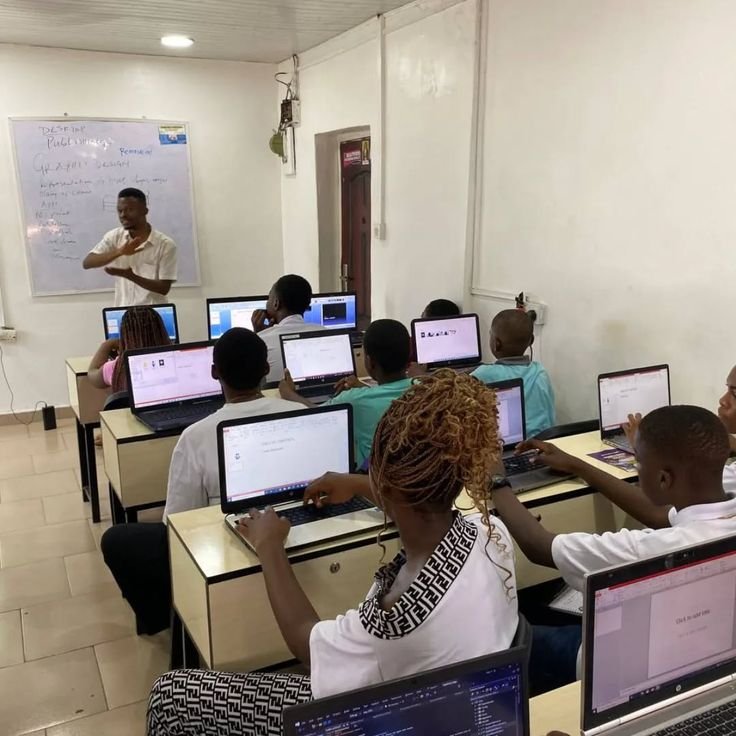
At HIPBS, practical learning forms the foundation of every ICT programme. Students gain real-world experience through:
- Computer laboratory practical sessions
- Programming projects
- Software development workshops
- Networking laboratories
- Cybersecurity simulations
- Database design projects
- Mobile and web application development
- Industrial internships
- Research and innovation projects
- Technology competitions and hackathons
- Professional seminars and ICT conferences
This practical approach ensures graduates possess the technical competence employers expect.
Modern Learning Facilities
The Faculty of Computing and Information Technology provides students with access to learning resources that support practical education, including:
- Modern computer laboratories
- High-speed internet access
- Software development tools
- Networking equipment
- Cybersecurity training environments
- Multimedia learning facilities
- Programming platforms
- Digital research resources
Our learning environment encourages innovation, collaboration, and continuous technological advancement.
Professional Skills Development
In addition to technical expertise, students develop essential workplace skills including:
- Critical thinking
- Problem-solving
- Teamwork and collaboration
- Communication skills
- Project management
- Creativity and innovation
- Leadership
- Professional ethics
- Time management
- Entrepreneurial thinking
These transferable skills prepare graduates for leadership roles in technology-driven organisations.
Career Prospects
Graduates of the Faculty of Computing and Information Technology are prepared to work in:
- Software Development Companies
- Government ICT Departments
- Banks and Financial Institutions
- Telecommunications Companies
- Hospitals and Healthcare Systems
- Educational Institutions
- Technology Startups
- Cybersecurity Firms
- International Organisations
- Consulting Companies
- Manufacturing Industries
- Digital Marketing Agencies
- Cloud Service Providers
Many graduates also establish successful technology businesses and provide freelance ICT services.
Build Your Future in Technology
The Faculty of Computing and Information Technology at the Higher Institute of Professional and Business Studies (HIPBS) provides students with the education, practical training, and industry exposure needed to thrive in today’s digital economy.
Whether your goal is to become a software engineer, cybersecurity specialist, network administrator, data analyst, or technology entrepreneur, HIPBS offers the knowledge and experience to help you succeed.
Join HIPBS and become part of the next generation of innovators, technology leaders, and digital problem-solvers shaping the future of Cameroon and the world.