
Faculty of Engineering and Technical Studies
Building the Next Generation of Engineers, Technicians, and Innovators
The Faculty of Engineering and Technical Studies at the Higher Institute of Professional and Business Studies (HIPBS) is committed to producing highly skilled engineers, technologists, and technical professionals who are equipped to solve real-world challenges through innovation, creativity, and practical expertise.
Located in Bamenda, Cameroon, the Faculty provides career-oriented engineering and technical education that combines rigorous academic instruction with hands-on practical training. Our programmes are designed to meet the evolving needs of industry while preparing graduates for rewarding careers in engineering, manufacturing, construction, energy, telecommunications, and emerging technologies.
At HIPBS, we believe that engineering is the foundation of innovation and national development. Through modern laboratories, workshops, industrial training, and experienced lecturers, students develop the technical competence, analytical thinking, and professional ethics required to succeed in today’s competitive engineering environment.
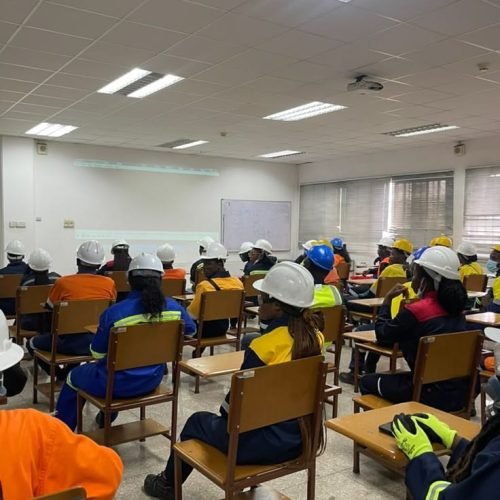
Why Study Engineering and Technical Studies at HIPBS?
Engineering professionals play a vital role in designing, building, maintaining, and improving the infrastructure and technologies that support modern society.
At HIPBS, students benefit from:
- Industry-focused engineering programmes
- Experienced lecturers and industry professionals
- Practical laboratory and workshop training
- Modern engineering equipment and facilities
- Internship and industrial attachment opportunities
- Project-based learning
- Innovation and entrepreneurship development
- Small class sizes for personalised learning
- Career guidance and mentorship
- Research and technical innovation opportunities
Our graduates leave HIPBS with the confidence, technical expertise, and practical experience needed to excel in both local and international industries.
Departments and Programmes
The Faculty of Engineering and Technical Studies offers professionally oriented programmes that prepare students for careers in engineering, technology, manufacturing, construction, and industrial operations.
Career Opportunities
Career Opportunities
- Engineering Technician
- Technical Officer
- Maintenance Supervisor
- Production Technician
- Industrial Operations Officer
Department of Civil Engineering
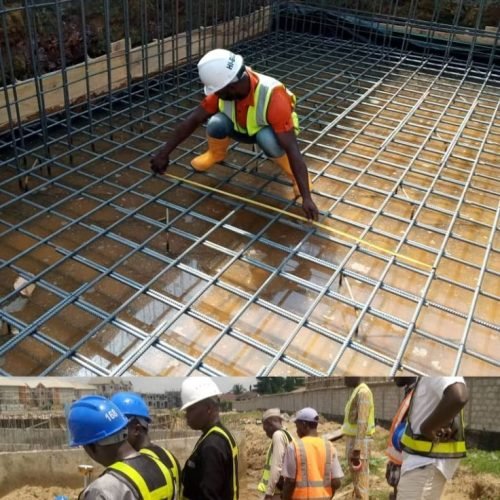
The Civil Engineering programme prepares students to design, construct, and maintain buildings, roads, bridges, water systems, and other essential infrastructure.
Students gain knowledge in structural design, surveying, construction management, geotechnics, and environmental engineering while developing practical engineering skills through laboratory work and field projects.
Areas of Study
- Engineering Mathematics
- Engineering Drawing
- Structural Engineering
- Surveying
- Building Construction
- Soil Mechanics
- Hydraulics
- Construction Materials
- Highway Engineering
- Project Management
Practical Skills You’ll Develop
- Construction planning
- Structural analysis
- Surveying techniques
- Engineering drawing (CAD)
- Site supervision
- Quantity estimation
- Infrastructure design
- Project coordination
Career Opportunities
Graduates may work as:
- Civil Engineering Technician
- Construction Supervisor
- Site Engineer
- Quantity Survey Assistant
- Structural Design Assistant
- Public Works Officer
- Infrastructure Project Coordinator
- Building Inspector
Department of Electrical and Electronics Engineering
Electrical and Electronics Engineering
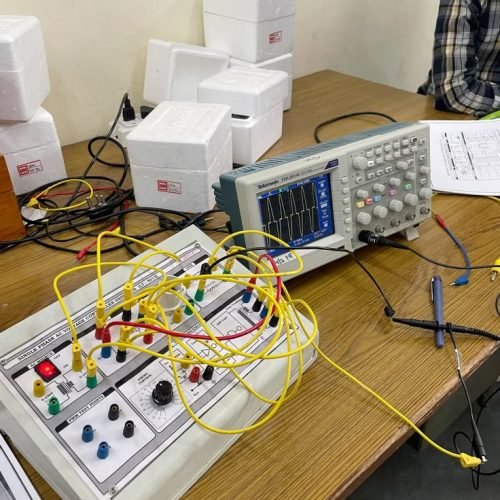
This programme equips students with the knowledge and practical skills required to install, maintain, and improve electrical systems, electronic equipment, telecommunications, and automation technologies.
Areas of Study
- Electrical Circuits
- Electronics
- Power Systems
- Industrial Automation
- Digital Electronics
- Instrumentation
- Renewable Energy Systems
- Telecommunications
- Electrical Installation
- Control Systems
Practical Skills You’ll Develop
- Electrical wiring
- Circuit design
- Electrical maintenance
- Fault diagnosis
- Industrial automation
- Electronic system installation
- Solar energy installation
- Technical troubleshooting
Career Opportunities
Graduates may become:
- Electrical Engineering Technician
- Electronics Technician
- Power Systems Technician
- Industrial Maintenance Officer
- Renewable Energy Technician
- Telecommunications Technician
- Electrical Installation Supervisor
- Technical Support Engineer
Department of Mechanical Engineering
Mechanical Engineering
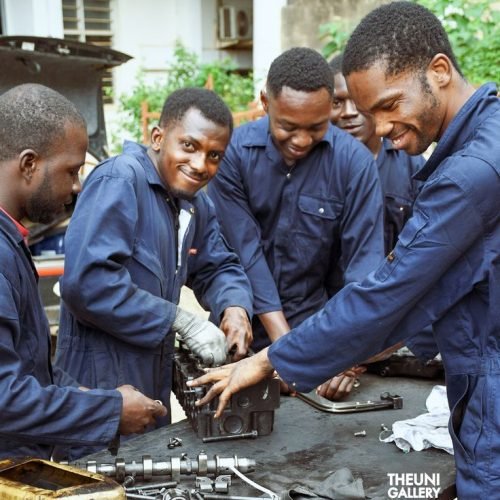
The Mechanical Engineering programme develops professionals capable of designing, manufacturing, maintaining, and improving mechanical systems used in manufacturing, transportation, energy, and industrial production.
Areas of Study
- Engineering Mechanics
- Thermodynamics
- Manufacturing Processes
- Machine Design
- Welding Technology
- Fluid Mechanics
- Industrial Maintenance
- Computer-Aided Design (CAD)
- Production Engineering
- Quality Control
Practical Skills You’ll Develop
- Mechanical design
- Equipment maintenance
- Machine operation
- Manufacturing processes
- Welding and fabrication
- CAD drafting
- Industrial troubleshooting
- Production planning
Career Opportunities
Graduates may pursue careers as:
- Mechanical Engineering Technician
- Production Supervisor
- Industrial Maintenance Technician
- Manufacturing Technician
- Quality Assurance Officer
- Plant Operations Officer
- Mechanical Design Assistant
- Workshop Supervisor
Department of Computer Engineering
Computer Engineering
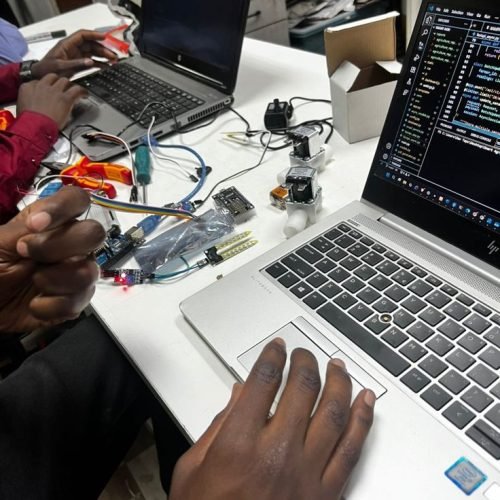
The Computer Engineering programme bridges engineering and computing by preparing students to design, develop, and maintain computer hardware, embedded systems, and integrated technology solutions.
Areas of Study
- Computer Architecture
- Digital Systems
- Embedded Systems
- Microprocessors
- Robotics Fundamentals
- Network Engineering
- Programming
- Hardware Maintenance
- Internet of Things (IoT)
- System Integration
Practical Skills You’ll Develop
- Computer hardware installation
- Embedded systems programming
- Robotics fundamentals
- Hardware troubleshooting
- Network configuration
- System integration
- IoT development
- Technical diagnostics
Career Opportunities
Graduates may work as:
- Computer Engineering Technician
- Hardware Engineer
- Embedded Systems Technician
- Network Engineer
- Systems Integrator
- Robotics Technician
- Technical Support Specialist
- ICT Infrastructure Officer
Practical Learning Experience
Practical Learning Experience
Practical training is central to engineering education at HIPBS. Students gain hands-on experience through:
- Engineering laboratory sessions
- Technical workshops
- Industrial attachments
- Construction site visits
- Engineering design projects
- Prototype development
- Equipment maintenance exercises
- Technical exhibitions
- Innovation competitions
- Final-year capstone projects
This practical exposure ensures graduates are workplace-ready and capable of solving engineering challenges effectively.
Modern Engineering Facilities
The Faculty provides students with access to learning facilities that support technical excellence, including:
- Engineering laboratories
- Mechanical workshops
- Electrical and electronics laboratories
- Computer laboratories
- CAD and design software
- Surveying equipment
- Renewable energy demonstration systems
- Multimedia classrooms
- Digital research resources
- Technical reference library
These facilities provide an environment where students can experiment, innovate, and develop practical engineering skills.
Professional Skills Development
Beyond technical knowledge, students develop essential professional competencies such as:
- Engineering problem-solving
- Critical thinking and analysis
- Project planning and management
- Leadership and teamwork
- Technical communication
- Innovation and creativity
- Health and safety awareness
- Professional ethics
- Time management
- Entrepreneurial thinking
These skills prepare graduates for leadership positions in engineering and technology-related industries.
Research, Innovation, and Entrepreneurship
The Faculty encourages students to become innovators and problem-solvers by participating in:
- Engineering research projects
- Product design competitions
- Innovation and technology exhibitions
- Renewable energy initiatives
- Community engineering projects
- Technical entrepreneurship programmes
- Industry seminars and conferences
- Collaborative engineering challenges
Students are inspired to develop practical solutions that contribute to sustainable development and technological advancement.
Career Prospects
Graduates of the Faculty of Engineering and Technical Studies are prepared to work in:
- Construction Companies
- Engineering Consulting Firms
- Manufacturing Industries
- Telecommunications Companies
- Energy and Utility Companies
- Public Works Departments
- Transport and Infrastructure Projects
- Industrial Plants and Factories
- Renewable Energy Companies
- Government Technical Services
- Mining and Natural Resource Industries
- Technology Companies
- Research Institutions
Many graduates also establish successful engineering consultancies, technical service businesses, construction companies, or manufacturing enterprises.
Why Employers Choose HIPBS Graduates
Employers value HIPBS Engineering graduates because they demonstrate:
- Strong technical competence
- Practical hands-on experience
- Analytical and problem-solving abilities
- Professional ethics and integrity
- Teamwork and leadership
- Adaptability to modern technologies
- Commitment to safety and quality
- Innovation and creativity
- Excellent communication skills
- Continuous learning mindset
These qualities enable HIPBS graduates to make meaningful contributions across a wide range of engineering and technical industries.
Engineer the Future with HIPBS
The Faculty of Engineering and Technical Studies at the Higher Institute of Professional and Business Studies (HIPBS) is dedicated to preparing professionals who design, build, innovate, and transform the world through engineering excellence.
Whether your ambition is to construct resilient infrastructure, develop advanced technologies, improve industrial systems, or lead engineering projects, HIPBS provides the knowledge, practical training, and professional support needed to achieve your goals.
Join HIPBS and become part of a new generation of engineers, innovators, and technical professionals who are driving progress, solving complex challenges, and shaping the future of Cameroon and beyond.